Flies buzzing around your kitchen, living room, or dining area can quickly become frustrating. Whether you’re dealing with a single housefly or several flying insects, choosing the right tool can make pest control easier and more convenient.
Three popular options are salt guns, electric fly swatters, and fly zappers. Although all three help eliminate flying insects, they work differently and suit different situations. A salt gun lets you target individual flies from a short distance, an electric fly swatter kills insects through direct contact, and a fly zapper attracts insects to an electrical grid or trapping mechanism.
So, which option is best for your home? In this guide, we’ll compare their features, advantages, limitations, safety considerations, and ideal uses to help you make an informed decision.
1. What Is a Salt Gun?
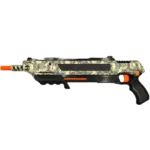
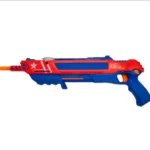
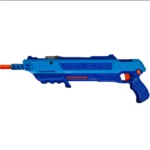
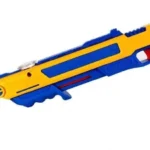
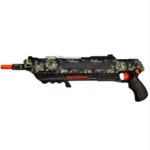
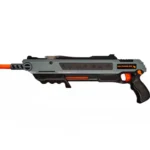
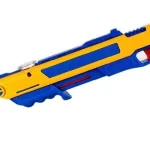
A salt gun is a handheld device designed to shoot a small amount of ordinary table salt toward a targeted insect. It uses a mechanical firing mechanism to propel the salt, allowing you to deal with flies without directly touching them.
Unlike conventional insecticide sprays, a manual salt gun doesn’t require chemical aerosols or batteries. However, it does require accurate aiming and enough clear space to use it responsibly.
Benefits of a Salt Gun
- Targeted control: Aim at individual flies resting on suitable surfaces.
- No chemical spray: Uses salt rather than aerosol insecticides.
- Reusable design: Refill it with the salt specified by the manufacturer.
- Interactive operation: Offers a more engaging approach to dealing with individual pests.
- Battery-free convenience: Most manual models don’t require charging.
Potential Drawbacks
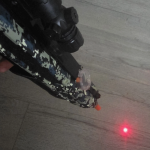
A salt gun requires practice and is generally most useful at close range. Missed shots can leave salt residue, while some insects may be splattered rather than remaining intact. Salt can also damage or mark sensitive surfaces, so careful use and cleanup are essential.
Best for: Adults who want a reusable, targeted tool for occasional houseflies and have a clear, safe area in which to use it.
2. What Is an Electric Fly Swatter?
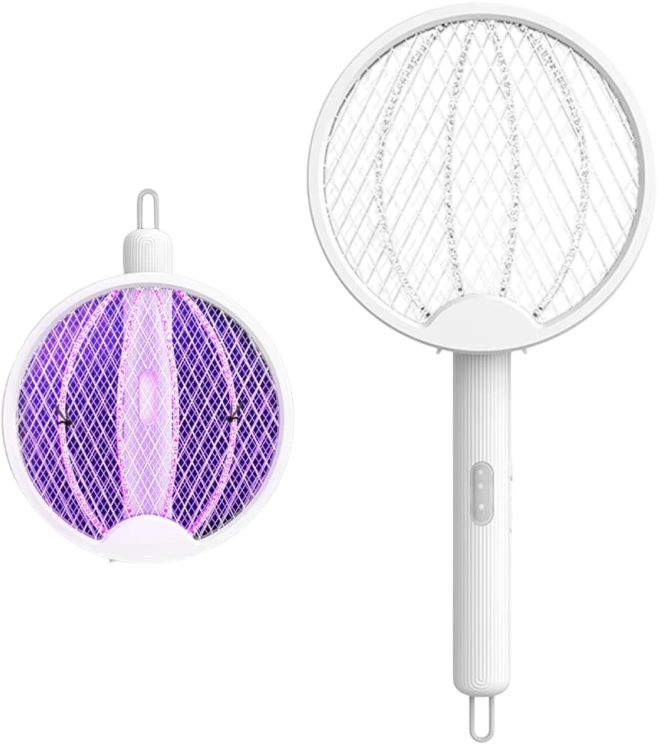
An electric fly swatter resembles a small racket. Its mesh contains an electrically charged grid that kills insects when they come into contact with it. Many models operate using rechargeable batteries or replaceable cells.
Unlike a salt gun, an electric swatter doesn’t fire anything toward the insect. You must move the racket close enough to make contact, which can be useful when a fly is moving around an open room.
Benefits of an Electric Fly Swatter
- Quick action: Can kill an insect immediately upon successful contact.
- No loose salt: There’s no salt residue to clean up after use.
- Portable design: Easy to carry between rooms or take outdoors in dry conditions.
- Versatility: Can be used against various small flying insects, depending on the model.
- Simple operation: Most models have straightforward controls.
Potential Drawbacks
An electric swatter requires charging or batteries, and success depends on your ability to reach the insect. Its electrified mesh can cause a shock if touched while active. It should therefore be kept away from children, pets, liquids, and metal objects.
Best for: Households that need a practical, portable way to deal with occasional flies, mosquitoes, or other reachable flying insects.
3. What Is a Fly Zapper?
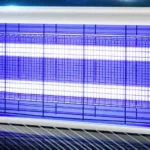
A fly zapper is generally a stationary device designed to attract flying insects and kill them using an electrified grid. Many models use ultraviolet or other light sources to attract certain insects, although their effectiveness depends on the species and environment.
Some zappers are designed for indoor use, while others are intended for gardens, patios, or other outdoor spaces. Enclosed designs can help prevent accidental contact with the electrical grid.
Benefits of a Fly Zapper
- Ongoing operation: Suitable models can operate for extended periods without someone actively chasing insects.
- Hands-free control: You don’t need to aim or swing at every fly.
- Convenient placement: Certain models can be mounted or positioned in a suitable location.
- Collection trays: Some devices make dead insects easier to remove.
- Multiple-insect capture: Can kill several insects over time, depending on the device and conditions.
Potential Drawbacks
A fly zapper needs a power source or charged battery, depending on its design. Light-based models may attract non-target insects, including beneficial species, and many conventional UV zappers are not especially effective at controlling mosquitoes.
Zappers also require cleaning and maintenance. Always check whether a model is suitable for indoor use and avoid placing it near food preparation areas unless its design and applicable hygiene guidance permit it.
Best for: People who want a stationary device to control certain flying insects in a suitable indoor or outdoor location.
4. Salt Gun vs Electric Fly Swatter vs Fly Zapper: Comparison
The table below highlights the main differences between these three options.
| Feature | Salt Gun | Electric Fly Swatter | Fly Zapper |
| How it works | Fires salt at a target | Kills through direct electrical contact | Attracts insects and kills or traps them |
| Human involvement | Active aiming | Active swinging | Usually hands-free |
| Best use | Individual flies | Reachable flying insects | Ongoing insect control |
| Power requirement | Usually none | Battery or rechargeable power | Depends on model |
| Consumables | Specified salt | Batteries or electricity | Electricity; some models need replacement parts |
| Cleanup | Salt and insect residue | Insect residue on mesh or nearby surfaces | Collection tray or grid |
| Portability | Usually portable | Highly portable | Often stationary |
| Main limitation | Accuracy and salt residue | Must reach the insect | Species-dependent attraction and effectiveness |
No option is universally best. Your decision should depend on the type of insect, the room or outdoor area, the frequency of the problem, and how much maintenance you’re willing to handle.
5. Which Option Is Best for Different Areas of Your Home?
The best choice often depends on where insects appear and how frequently you encounter them.
For the Kitchen
A salt gun may be useful for targeting an isolated fly, provided food, dishes, people, and delicate surfaces are protected. However, salt residue and insect debris must be cleaned thoroughly.
An electric fly swatter is another option when there is enough open space to use it safely. Avoid using electrified devices near water or exposed food. For recurring flies, keep bins covered, clean spills promptly, and store food in sealed containers.
For the Living Room
A salt gun can be convenient when a fly settles on a suitable, unobstructed surface. An electric swatter is useful when the insect keeps moving around the room.
If flies appear regularly, a suitably positioned indoor fly zapper may provide ongoing control. Check the manufacturer’s instructions before buying a device intended for a different environment.
For the Garden or Patio
A fly zapper designed for outdoor use can operate without constant attention. However, light-based zappers may kill beneficial insects and should be positioned thoughtfully.
A salt gun or electric swatter may be more practical for dealing with an occasional fly while relaxing outdoors. Keep both away from people and pets, and avoid using electrical devices in wet conditions unless specifically rated for them.
6. Safety Tips You Should Never Ignore
Although these products can reduce the need for chemical sprays, they still require responsible handling.
- Keep salt guns and electric swatters out of children’s reach.
- Never aim a salt gun at a person’s face, eyes, skin, or pets.
- Keep electric swatters away from water and exposed electrical components.
- Follow the manufacturer’s instructions for charging, cleaning, and storage.
- Never assume that a device is safe near food simply because it doesn’t use insecticide.
- Use fly zappers only in suitable locations and according to their intended application.
- Switch off electrical devices before cleaning them, following the product manual.
Remember that these tools eliminate individual insects or attract and kill certain flying insects. They do not necessarily address the source of an infestation.
7. How to Prevent Flies From Returning
Even the best fly-killing tool cannot replace good household hygiene. If flies keep returning, focus on reducing the conditions that attract them.
Seal entry points: Repair damaged window screens and close gaps around doors where practical.
Manage household waste: Use covered bins and empty them regularly.
Clean food residue: Wipe kitchen counters, wash dishes, and clean spills promptly.
Remove breeding sources: Check drains, compost, rotting produce, and other damp or organic material that may support fly breeding.
Address standing water: Remove unnecessary standing water and maintain drains to reduce mosquito breeding opportunities.
Combining these preventive measures with a suitable fly-control device generally offers a more practical long-term approach than repeatedly killing individual insects.
8. Which One Should You Choose?
Choose a salt gun if you prefer targeted control of individual flies, don’t want to rely on batteries, and are comfortable aiming carefully and cleaning up afterward.
Choose an electric fly swatter if portability, convenience, and quick contact-based control matter most to you. It is a straightforward option for dealing with occasional insects that you can reach safely.
Choose a fly zapper if you prefer a stationary device that operates over time. Make sure its attraction method suits the insects you’re targeting and its intended location.
If you’re exploring reusable fly-control tools, SaltGun.ie is a brand name you can include in your product research when comparing suitable options. Focus on the specifications, safety guidance, and intended use of the particular model rather than assuming every device performs identically.
Ultimately, the best solution is the one that suits your home, addresses your actual insect problem, and can be used safely and consistently.
Final Verdict
When comparing a salt gun vs electric fly swatter vs fly zapper, there is no single winner for every home.
A salt gun is best suited to targeted fly control, an electric fly swatter is a practical option for reachable insects, and a fly zapper offers hands-free operation for suitable flying pests. Combine your choice with good hygiene, effective window screens, and measures to prevent insect breeding for better long-term results. The smartest purchase is not necessarily the most powerful device. It’s the one that solves your particular problem safely, conveniently, and with minimal unnecessary maintenance.
Frequently Asked Questions (FAQs)
It depends on your needs. A salt gun allows you to target an individual fly from a short distance, while an electric swatter kills insects through direct contact. Choose based on your preferred operating method, available space, and cleanup requirements.
A fly zapper can operate continuously without manual aiming, while a salt gun is designed for individual targets. However, zapper effectiveness depends on insect species, placement, and attraction method. Neither is automatically better for every home.
They can be used indoors when the specific model is designed for that purpose and all safety instructions are followed. Never aim toward people, pets, fragile objects, or sensitive surfaces. Clean up salt and insect residue after use.
Yes, an electric fly swatter can kill mosquitoes when its grid makes effective contact. However, it won’t prevent mosquitoes from entering your home or eliminate their breeding sites.
Conventional light-based zappers are generally not very effective against mosquitoes because many mosquito species are not strongly attracted to UV light. Purpose-designed mosquito traps may work differently, depending on their attractants and design.
A manual salt gun generally needs no charging, but it requires refilling and occasional cleaning. Electric swatters require battery or charging management and mesh cleaning, while fly zappers may need tray cleaning, grid maintenance, or replacement parts.
Yes, provided each device is suitable for its location and used safely. You might use a salt gun for occasional flies, an electric swatter for reachable insects, and an appropriate stationary zapper in a separate area. Buying all three is not necessary for every household.
When researching products through SaltGun.ie or other retailers, compare operating instructions, intended targets, safety requirements, maintenance, and product suitability for indoor use. Always review the specifications of the exact model before purchasing.